
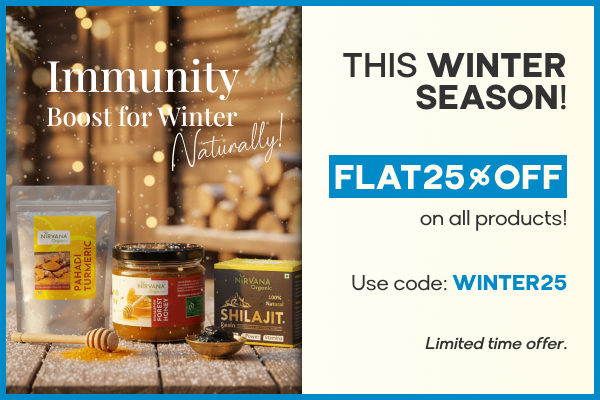

We perceive those crystal-clear bottles of honey standing in supermarkets, and we are very much out of place, to tell the truth. They look perfect. Too perfect. As though it is one of those things that have been cleaned to the extent that they have not remembered its origin. Authentic forest honey does not act like that.
It is darker. Sometimes cloudy. Thick at times, a little runny, depending on the season. It reeks of trees and wildflowers and a little smoke with your luck, and you know it. And yes… sometimes it even has tiny bits of pollen or wax. That is not a flaw. That is life still inside the jar.
We work closely with forest communities here in Uttarakhand. People who do not “produce” honey as factories do. They wait for it. They understand the rhythm of bees. They take only what can be taken without disturbing the colony. And honestly, once you’ve seen honey being collected this way, you cannot unsee the difference.
What is Raw Forest Honey Really?
Raw forest honey is honey that has not been heated, filtered violently or denatured.
It comes from wild bees. No box kept bees fed on sugar syrup. These are giant rock bees flying across forests, choosing nectar from hundreds of medicinal plants. Every drop carries that diversity. That is why wild forest honey feels different in the body. And yes, the forest honey price is higher. Because you cannot rush bees. You cannot industrialise a forest. You have to wait.
Why Raw Forest Honey Feels More Alive
This may sound peculiar, but honey is also a living substance of sorts. When your honey never melts, never crystallises, never viscosifies or obscures. We grow a little suspicious.
Real forest raw honey evolves.
It reacts to temperature. It thickens in winter. It loosens in summer. It forms crystals over time. Like a person who changes with the seasons. That is how you know it is real.
What is Actually Inside Raw Forest Honey
Let’s keep this simple. Inside a jar of good forest honey, you will find:
• Natural enzymes like diastase and invertase
• Bee pollen and propolis
• Trace minerals like iron and manganese
• Small amounts of vitamins like B6 and vitamin C
• Natural sugars that release energy slowly
It is not just sweetness. It is nutrition disguised as sweetness.
7 Benefits of Raw Forest Honey
We don’t like overhyping things. But there are reasons people have trusted honey for generations.
Supports immunity
Rich in antioxidants that help the body deal with everyday stress
Helps digestion
Feeds good gut bacteria and supports smoother digestion
Soothes throat and cough
Old remedy and still one of the best for irritation
Gives steady energy
Does not hit like refined sugar. More stable, more grounded
Supports healing
Natural antibacterial properties help with minor wounds
Helps with sleep
A small spoon at night can support better rest
Better alternative to sugar
Replacing refined sugar with raw honey is a long-term win
That reminds us of this one time, a farmer’s child had a stubborn cough. Instead of syrups, they just gave warm water with forest honey for a few days. Nothing dramatic. Just slow relief. Sometimes the old ways stay because they work.
How to Use Forest Honey Daily
Keep it simple.
• Add to warm herbal tea
• Drizzle over fruits or soaked nuts
• Mix in warm water in the morning
• Use on toast or roti instead of sugar spreads
And yes, you can apply it to your face. It hydrates. It is soothing. It cleans gently.
How to Test If Your Honey is Pure
You do not need a lab. Your kitchen is enough.
Water test
Drop honey into a glass of water. Real honey settles at the bottom without dissolving quickly.
Thumb test
Put a drop on your thumb. It should stay in place and not spread like water.
Vinegar test
Add a little vinegar to the honey mixed with water. Foaming may indicate adulteration.
Flame test
A cotton wick dipped in pure honey can burn. Be careful with this one. Safety first
No Problem with Crystallisation
This is important. When your honey becomes hard or crystallised, it is not spoiled. It is natural. All you need to do is put the jar into warm water, and the jar will be back to the liquid stage.
Microwaving it is not advisable. The enzymes are destroyed by high temperatures. We assume that people have been conditioned to believe that clear is pure. However, in honey, it is usually the other way.
The Uncomfortable Truth About Commercial Honey
Most commercial honey is heated. Filtered. Sometimes, it is even mixed with syrups. They remove pollen because they think you want clarity. They add things because they want consistency. But in doing that, they remove the very things that make honey valuable. We prefer messy over manipulated.
Why Do We Keep it Small and Honest?
At Nirvana Organic, we work with forest communities that know how to collect honey without harming bees. That matters. Because if bees disappear, forests suffer. And if forests suffer, everything else follows. So when you choose raw forest honey, you are not just choosing a sweetener. You are supporting a way of living that respects nature.
Storing Your Honey Properly
Keep it simple.
• Store in glass jars
• Keep away from sunlight
• Avoid moisture
• Always use a dry spoon
Honey can last for years if you treat it well. It does not spoil easily. It just changes.
Conclusion
Sometimes we feel the world has become too polished. Too filtered. Too perfect. And then something like wild forest honey shows up. Slightly imperfect. A bit unpredictable. Deeply real. And it reminds you what food used to feel like. So maybe the question is not just about which honey to buy. Maybe it is that we are choosing what looks good or what actually feels alive?
FAQs
Q1. What is the reason why forest honey is darker than ordinary honey?
Ans. It is more mineral and antioxidant-based, and it is a mixture of different wild flowers. The darker one is more prevalent.
Q2. Is it possible to apply forest honey on the skin?
Ans. Yes, it is a good natural hydrator. But in matters concerning more serious concerns like pigmentation, it would be desirable to be more particular, like Kumkumadi oil.
Q3. Why does it always have a different taste?
Ans. The forest transforms due to. The bees collect nectar from different flowers at different seasons of the year. The difference is natural.
Q4. Is raw forest honey safe for everyone?
Ans. It is generally safe for adults. But avoid giving it to infants under one year.
Q5. Does honey expire?
Ans. Not really. If stored properly, it can last for years. It may crystallise, but that is normal.